Common mouth problems in ASD
Mouth Sensitivity
What is mouth sensitivity, How to overcome mouth sensitivity
Introduction
What is mouth sensitivity?
Mouth sensory seeking, common in children with sensory issues and/or autism, can include a desire to chew, lick, or bite very sour foods.
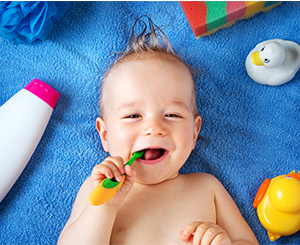
Mouth sensitivity can be divided into:
Mouth hypersensitivity
The mouth becomes too sensitive towards any stimulation.
Signs and symptoms
- Refuses having teeth brushed
- May avoid certain food textures
- Gag easily
- Dislike or avoid being touch or messy play
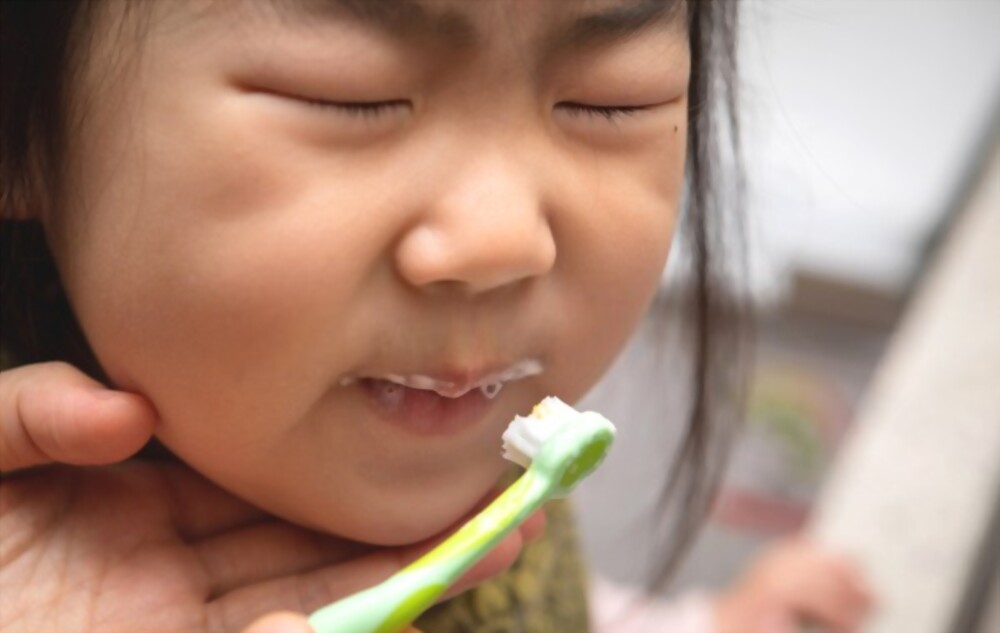
Mouth hyposensitivity
The mouth becomes too sensitive towards any stimulation.
Signs and symptoms
- Messy eaters and chewing problem.
- Crave intense flavours, i.e., sweet, sour, salty, spicy
- 'Pocket' food in their cheeks.
- Excessive drooling.

- Tendency to put toys in their mouths; toys, pens, pencil tips, gum, candy, or inedible objects (i.e., paper clips, rubber bands, and shirt sleeves)

How to overcome of mouth sensitivity
Oral Message
- Provide pressure at alveolar ridge starting from the middle, by sliding to left and right, using index finger.
- Tapping quickly at the middle of the ridge with two fingers.
- Swiping index and middle fingers toward the back of the teeth on both sides and apply pressure.
- Repeat 10 times before meal
Touch pressure to gum, provides pressure around gum area in a clockwise manner.
Bite and Tug, Bite on chewy tubes/ acrylic tubing
Provide a gentle stretch on both right and left cheeks using two fingers.
Management of oral sensitivity (Desensitization)
“gradual exposure to new stimuli or experiences of increasing intensity”Warm up with oral tools, such as chewy that the child will put into the mouth.

1. Let the child plays with the toothbrush, hold it and play.

2. Encourage the child to brush on own hands/body/cheeks quickly for a few times on their own. If the child allows the adult to do it, make it a fun way. Or do it in turn taking way.

3. Allow choices for the child. Type of toothbrush and type of toothpaste/water only.

4. Gradually place the toothbrush into the mouth momentary, without brushing.
5. Provide visual support to the child, can be in the pictures or video, showing step by steps of the expected brushing teeth/using toothbrush process.
6. Provide reinforcement when the child can tolerate/cope with the challenges.
7. Encourage to explore different toothbrush with your child together, type of bristles, texture/colour of the handle, electronic toothbrush, etc.
Tooth Decay
What is tooth decay(Caries)?, What happens if caries not treated?, Prevent caries, Treatment
Introduction
What is Caries?
- Commonly referred as tooth decay.
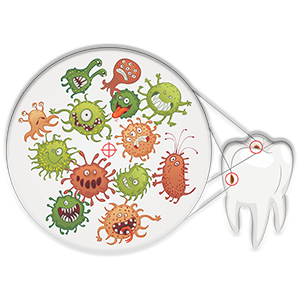
- Dental caries is a process of tooth destruction caused by the bacteria.
- The bacteria will interacts with the sugar in our food and produce acids.
- With time, the acids will dissolve the tooth surface and results in cavity formation.
Caries progression
Stage 1
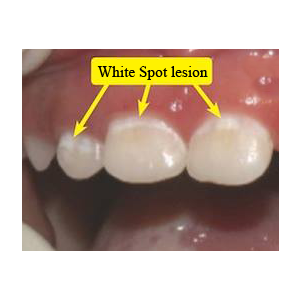
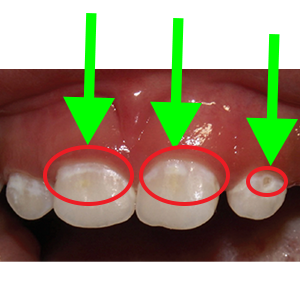
White spot
Chalky white area on the surface of the tooth appear (reversible)
Stage 2
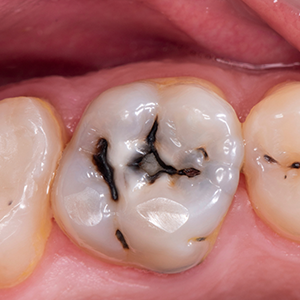
Enamel and dentin decay
Cavitation of the hard tooth surface (irreversible)
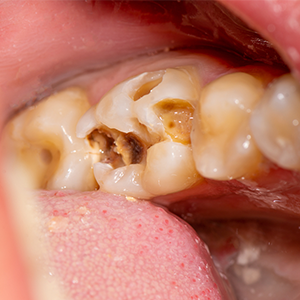
Stage 3
Pulp involvement
The caries reach pulp which can cause constant pain (irreversible)
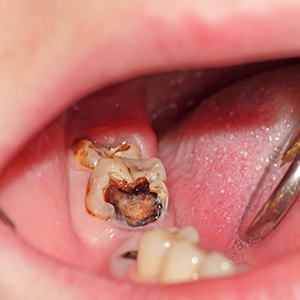
Stage 4
Loss of the tooth
Completely destruction of the tooth
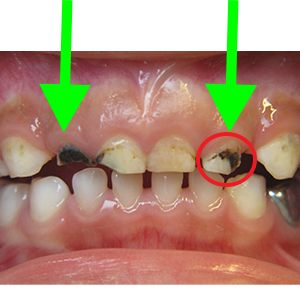
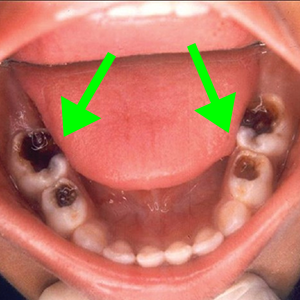
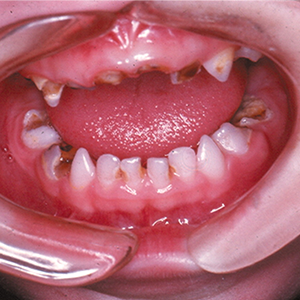
Picture of caries in children
Early enamel lesion/white spot lesion
Caries on anterior teeth
Caries on molar teeth
Rampant caries
How to detect that your autistic child has caries?
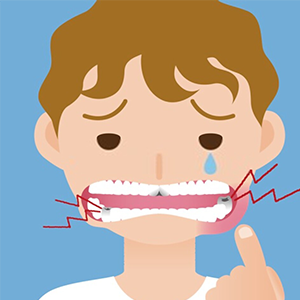
Since the children with ASD have difficulty in expressing their feelings, they may react in certain ways to show that they are in pain or discomfort due to caries:
- Pointing their finger to a particular tooth
- Keep on holding their jaw and cheek
- Refuse to eat.
- Tantrum for unknown reasons.
In their mouth you can look for these signs which indicate that your child might suffer from dental caries:
- Discolored tooth
- Loss of tooth structure.
- Swelling of the gum
- Bad odor
What happens if caries not treated?
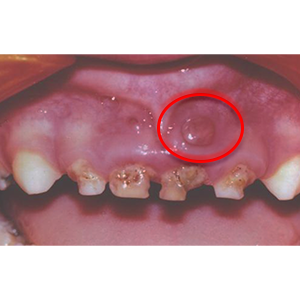
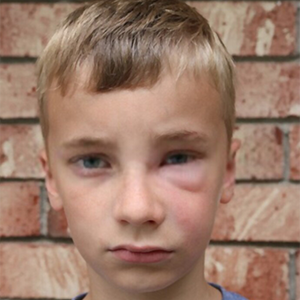
Infection on deciduous molar
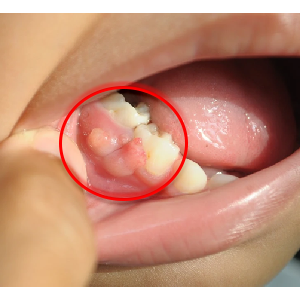
Gum swelling
Facial swelling
Loss of sleep
Absence from school
Tantrums
Loss of appetite
Hospitalization due to severe infection
How to prevent caries and toothache?
Eating a healthy diet

Correct toothbrushing technique

Use fluoridated toothpaste

Use dental floss

What happens if caries not treated?
Fluoride therapy for white spot lesion

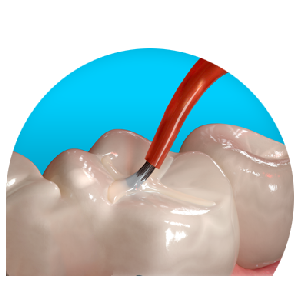
Sealant for shallow cavity on molar teeth
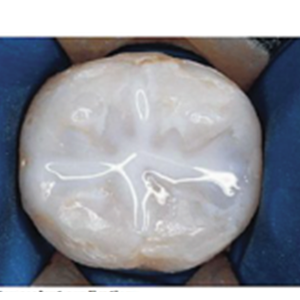
Dental fillings for small cavity
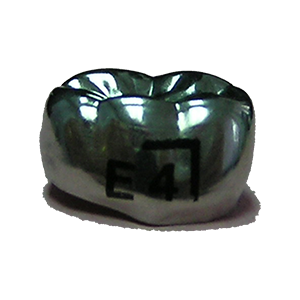
Crown for large cavity
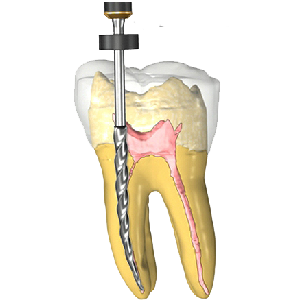
Root treatment when the pulp involved
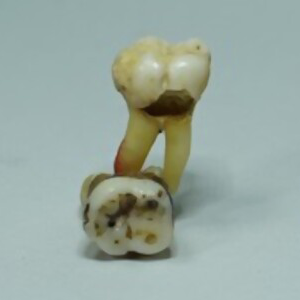
Extraction badly destructed tooth
Gum Disease
What is gum disease?, What may cause gum disease?, How to treat gum disease?
Introduction
What is gum disease (Gingivitis)?
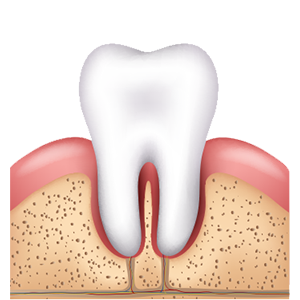
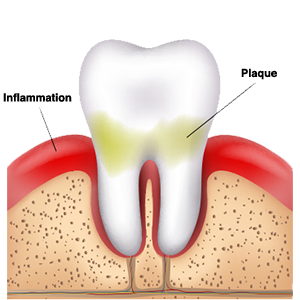
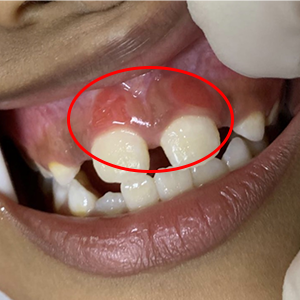
The redness (inflammation) of the gum caused by poor oral hygiene . The tooth will be covered by plaque and the gums bleed easily on brushing.
Gingivitis
Definition
Inflammation of the Gums red, swollen gums.
Signs
Easily Bleed during tooth brushing
Pain
May be painful at times
Progress
Can be reversed to healthy gums. If not treated, can progress to gum infection
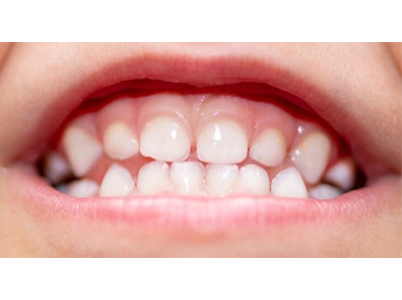
Healthy gum
Gingivitis and plaque
What may cause gum disease?
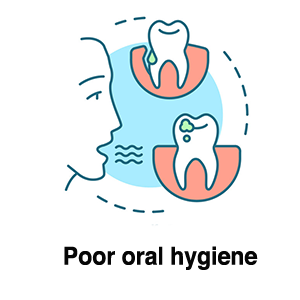
1. Poor oral health care: such as not brushing and flossing on a daily basis, make it easier for gingivitis to develop.
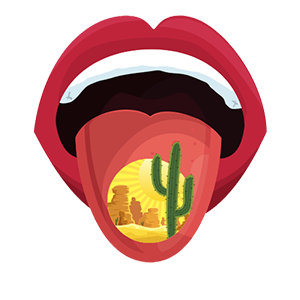
2. Dry mouth: There is no way for food debris or bacteria to be washed from the surface of teeth and this can greatly increase the chances of cavities and gum disease.
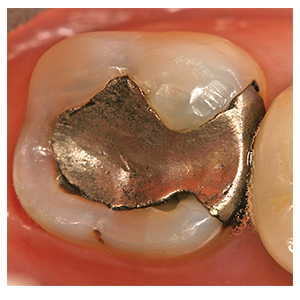
3. Bad dental restoration: Overhanging restoration may causes gingival inflammation, and periodontal tissue destruction.

4. Medications: Some drugs, anti-depressants, and certain heart medicines, can affect your oral health. So you should inform your dental care provider.

5. Genetics: some people may be genetically susceptible to gum disease. Despite aggressive oral care habits, these people may be more likely to develop periodontal disease.

6. Viral and fungal infections: associated with periodontal diseases, Either by its effect on the immunity as HIV, Or by direct effect as Herpes virus

7. Poor nutrition: A diet low in important nutrients can compromise the body's immune system, and obesity may increase the risk of periodontal disease.
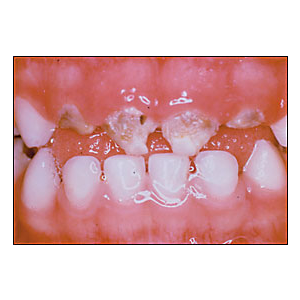
8. Destructed teeth: The damaged area of the tooth can cause injury for the surrounding gingival tissue and provide a better environment for Bacterial and plaque accumulation.
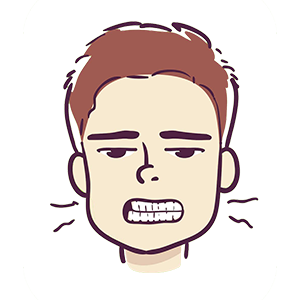
9. Clenching or grinding habits: The damaged area of the tooth can cause injury for the surrounding gingival tissue and provide a better environment for Bacterial and plaque accumulation
How to treat gum disease?
1. Maintaining good oral hygiene care
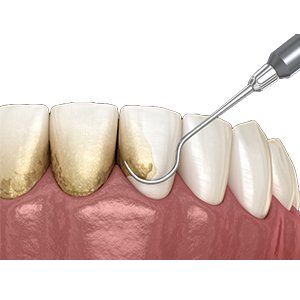
2. Having your child's teeth cleaned at the dentist to remove plaque and calculus.(dental scaling/ prophylaxis)
Mouth Ulcer
What is ulcer?, Cause of mouth ulcers, What to do with mouth ulcer?
Introduction
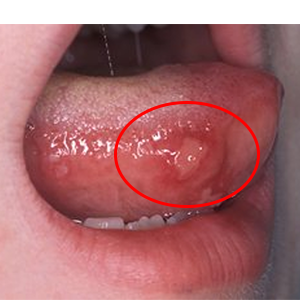
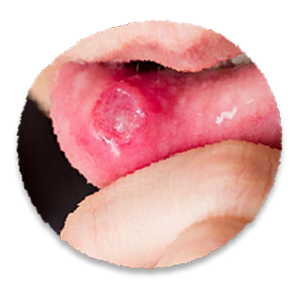
What is ulcer?
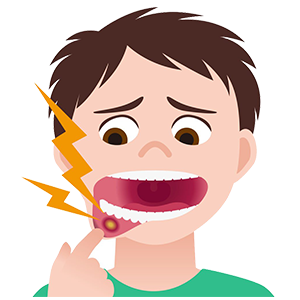
White ovals spot inside the mouth or on the lips. Can be very painful. Usually healing Within 1-2 Weeks.
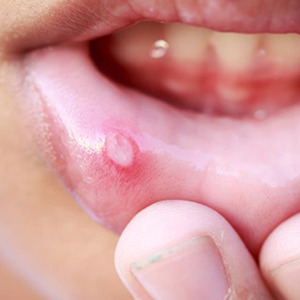
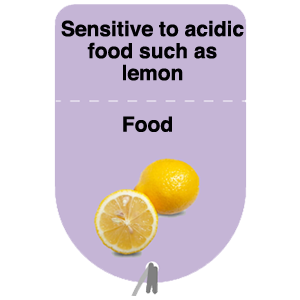
What can cause common mouth ulcers?
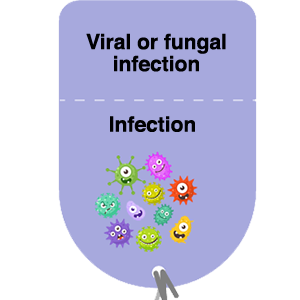
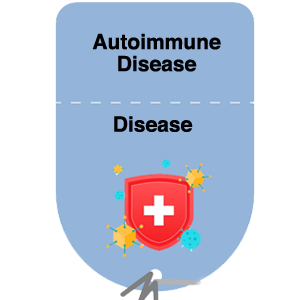
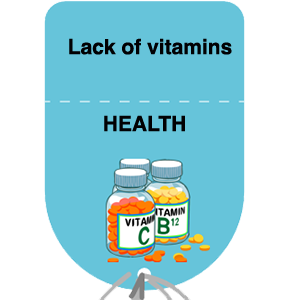
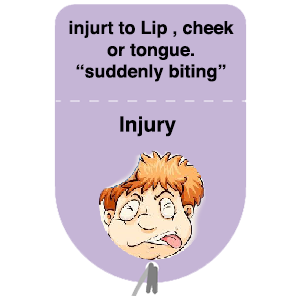
What to do with mouth ulcer?
- Oral ulcer is usually self-limiting and can heal on its own within 1-2 Weeks
- If the ulcer did not heal after two weeks, you should consult the dentist about the ulcer.
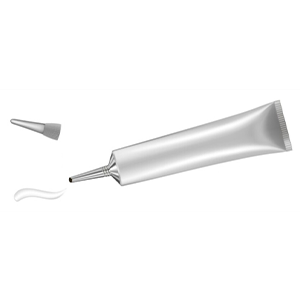
Ulcer medication can be used to treat the painful ulcer, if the ulcer interferes with eating.
Mouth Trauma
Dental trauma among children, Sign and symptoms
Introduction
Dental trauma among children
Injuries to the mouth and/or teeth. It is common in early childhood, particularly when babies and toddlers are learning to walk and remain unsteady on their feet.

Self injurious behaviour in children with Autism spectrum disorder
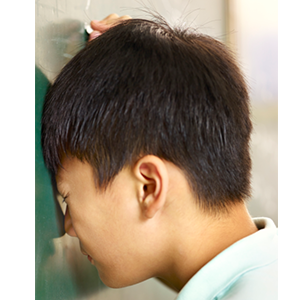
Headbanging often starts at around six months, peaking anywhere between 18-24 months of age. This habit can stretch out for months (even years), but most children outgrow this behaviour by the age of three to four.

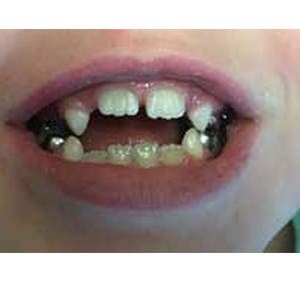
Injury to the gum due to habitual fingernail Scratching, or thumb sucking, and tongue Thrusting Which can disruption on the dentition and causing open bite.

Non-nutritive sucking consists of sucking fingers, pacifiers, pen chewing or other objects, Which could compromised the airway.
Signs of oral trauma among children
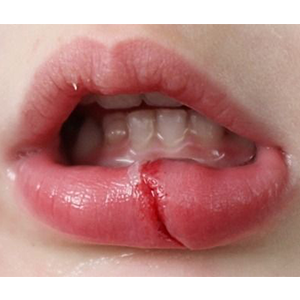
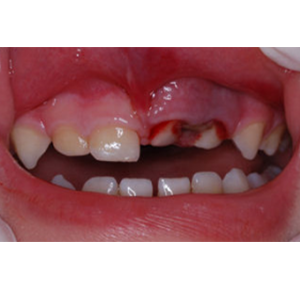
Cuts and scratches on the inside of the mouth (e.g. to the gums or tongue) or the lips.
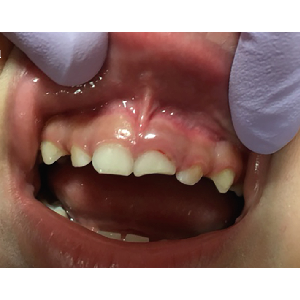
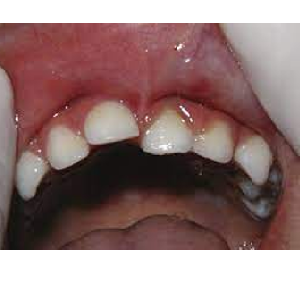
Injuries to the teeth, including chipped (fracture) and displaced teeth and teeth being knocked out.
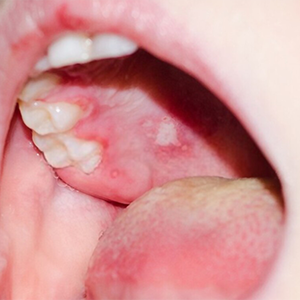
Burn to the lips or inside of the mouth by chemical or Physical tools, which leads to oral ulceration.
How to treat mouth trauma
If your child has any oral trauma or open wounds, you should bring your child URGENTLY to the nearby dentist or hospital.
The treatment of the oral trauma by the doctor will be based on the structure involved in the trauma :
- Cuts and scratches on the inside of the mouth should be stitched.
- Injuries to the teeth, including chipped (fracture) should be restored.
- Burn to the lips or inside of the mouth should be treated with ulcer medications.